
Festivals & Culture
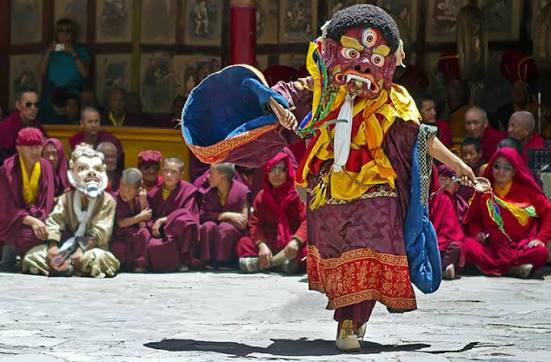
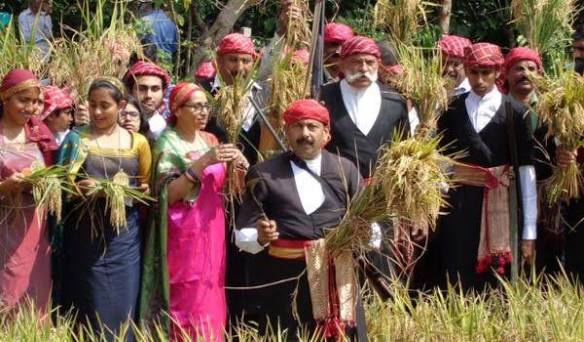
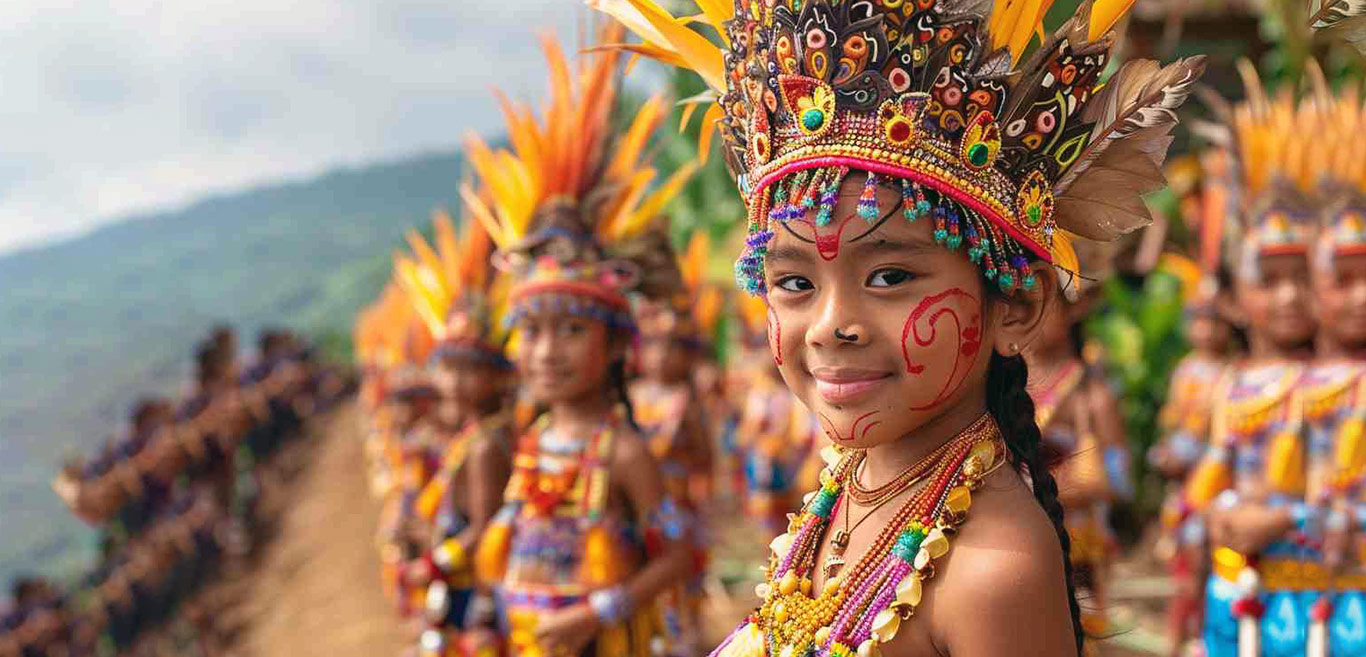
Kodagu is known for its distinctive culture, traditional customs, vibrant festivals, and strong sense of community. The cultural identity of the district is deeply connected with the traditions of the Kodava community, along with the diverse communities that have lived in the region for generations. Festivals are celebrated with traditional rituals, music, dance, food, and community gatherings.
Puttari – Harvest Festival
Puttari is the traditional harvest festival of Kodagu and one of the most important celebrations in the district. Families come together to celebrate the harvest with prayers, traditional rituals, festive meals, and cultural activities. The festival reflects the close relationship between the people of Kodagu, agriculture, and nature.
Kailpodh – Festival of Arms
Kailpodh is a distinctive Kodava festival traditionally associated with weapons, courage, and the protection of the household and community. Traditional weapons are cleaned and worshipped, followed by family gatherings and celebrations. The festival reflects Kodagu’s strong martial heritage.
Kaveri Sankramana
Kaveri Sankramana is an important religious and cultural festival associated with the River Kaveri. Devotees visit Talacauvery and Bhagamandala to offer prayers and participate in sacred rituals. The festival highlights the deep spiritual connection between the people of Kodagu and the Kaveri River.
Traditional Arts & Customs
Kodagu’s cultural heritage is also expressed through traditional dances, folk songs, music, cuisine, attire, and community rituals. The distinctive Kodava dress, traditional Kodava dances, and ancestral Ainmanes (traditional family homes) remain important symbols of the region’s identity.
A Living Cultural Heritage
The festivals and traditions of Kodagu continue to bring communities together while preserving the district’s history and values. Through celebrations, traditional practices, and cultural programmes, Kodagu’s unique heritage continues to be passed from one generation to the next.
Temples & Pilgrimage
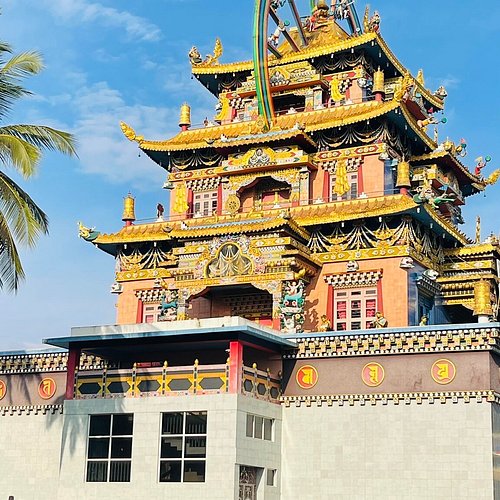
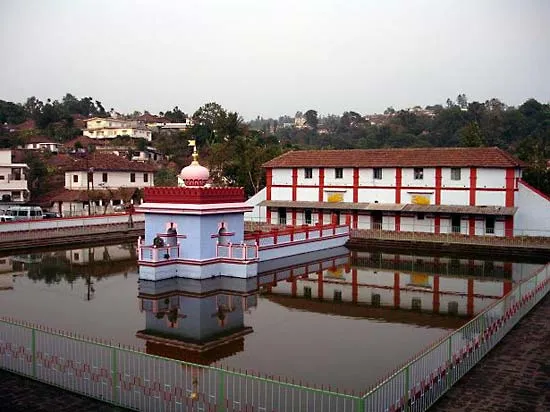
Kodagu is home to several revered temples and sacred places that reflect the district’s deep spiritual traditions and cultural heritage. Talacauvery, regarded as the birthplace of the River Kaveri, is one of the most important pilgrimage destinations in the region. Other notable places include Bhagamandala, Omkareshwara Temple, Igguthappa Temple, and Padi Igguthappa Temple, attracting devotees throughout the year.
The temples of Kodagu are closely connected with local traditions, festivals, and rituals. Their peaceful surroundings, traditional architecture, and spiritual significance make them important destinations for both pilgrims and visitors exploring the cultural heritage of the district.
Waterfalls & Nature
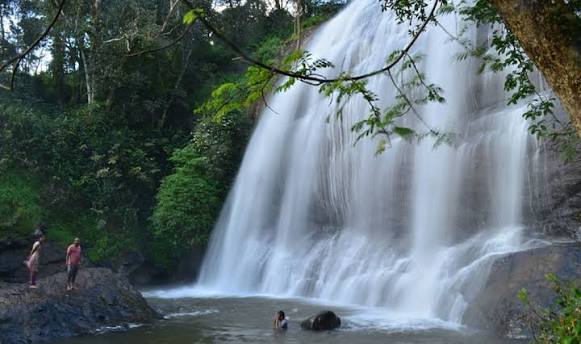
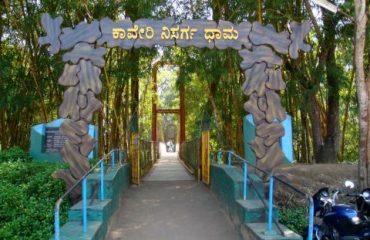
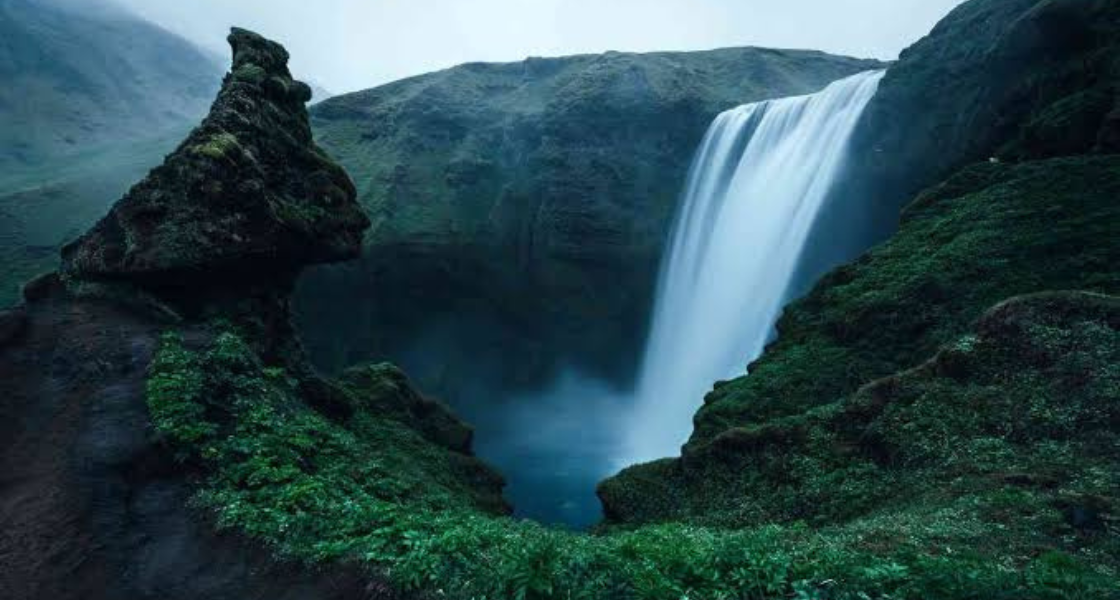
Kodagu is renowned for its lush green landscapes, mist-covered hills, dense forests, coffee plantations, rivers, and spectacular waterfalls. The district’s location in the Western Ghats gives it a rich natural environment and makes it one of Karnataka’s most scenic destinations.
Abbey Falls
Located near Madikeri, Abbey Falls is one of Kodagu’s most popular natural attractions. Surrounded by coffee estates, spice plantations, and dense greenery, the waterfall becomes especially impressive during the monsoon season.
Mallalli Falls
Situated near Somwarpet at the foothills of the Pushpagiri range, Mallalli Falls is known for its dramatic drop and beautiful mountain surroundings. The cascading water and surrounding valleys make it a favourite destination for nature lovers and photographers.
Irupu Falls
Located near the Brahmagiri hills, Irupu Falls is surrounded by dense forest and is associated with the sacred Rameshwara Temple. The waterfall and its peaceful surroundings attract both pilgrims and visitors.
Mandalpatti
Mandalpatti is famous for its panoramic views of the Western Ghats, rolling green hills, mist, and valleys. Its scenic landscape makes it a popular destination for jeep rides, photography, trekking, and nature exploration.
Rivers, Forests & Wildlife
Kodagu’s natural beauty extends beyond waterfalls. The Kaveri River, extensive coffee plantations, forests, and protected areas such as Nagarhole National Park support diverse plant and animal life. These natural resources are important for biodiversity, tourism, agriculture, and the livelihoods of local communities.
Together, Kodagu’s waterfalls, forests, hills, rivers, and plantations create a remarkable natural landscape that attracts visitors throughout the year while highlighting the importance of environmental conservation and responsible tourism.
Historical Heritage of Kodagu
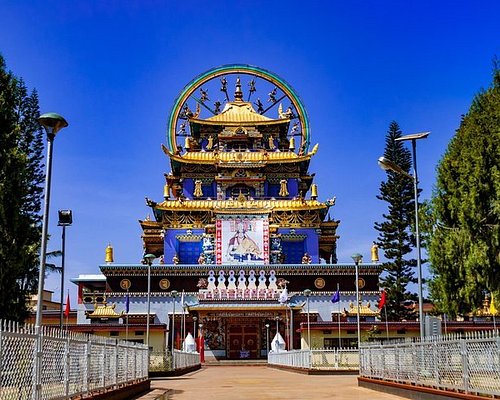
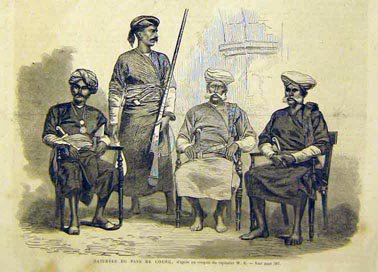
Kodagu has a rich historical legacy shaped by its distinctive hill environment, indigenous communities, and centuries of regional rule. The Haleri dynasty played a major role in Kodagu’s history, with Madikeri developing as an important administrative centre. The district was annexed by the British in 1834, after which its administration underwent significant changes.
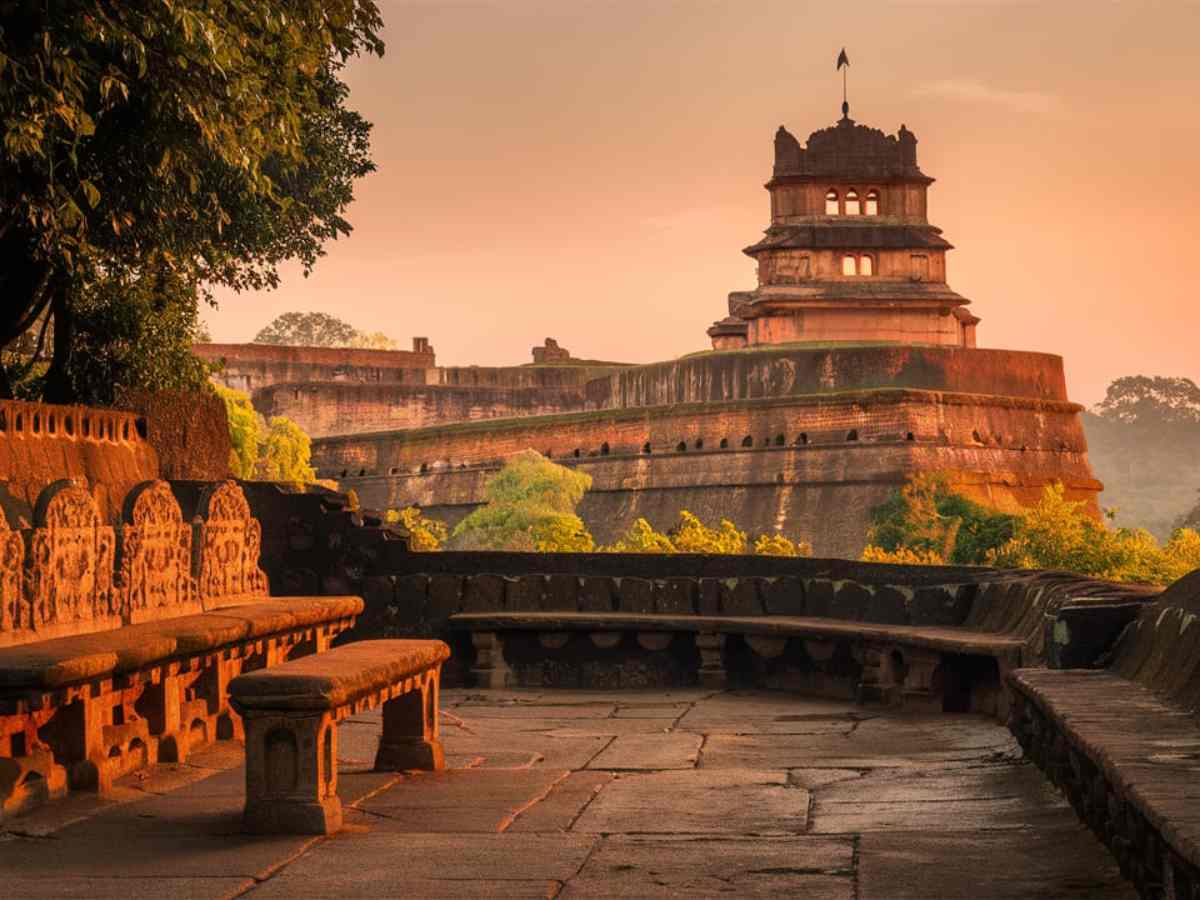
Today, Kodagu’s heritage is reflected in historic landmarks such as Madikeri Fort, Nalknad Aramane, royal monuments, traditional architecture, and cultural institutions. Madikeri Fort, originally built by Mudduraja in 1681 and later rebuilt in granite by Tipu Sultan, remains one of the district’s prominent historical landmarks.
The district’s heritage also lives through the traditions, language, festivals, arts, and customs of its communities. These cultural elements, together with its historic buildings and landscapes, form an important part of Kodagu’s identity and continue to be preserved for future generations.